TL;DR
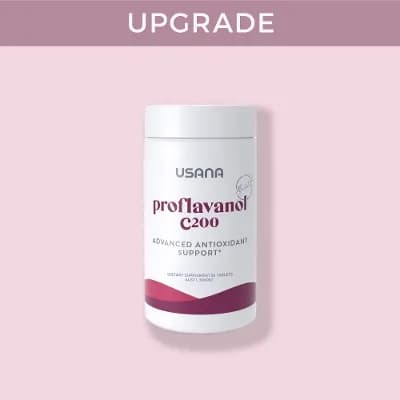
USANA Proflavanol C200 puts two antioxidant formulas into one two-layer tablet: a bioflavonoid complex built on grape seed extract, and USANA's own Poly C vitamin C blend. Each tablet delivers 200 mg of grape seed extract and 300 mg of Poly C. The interesting parts are the details — which flavonoids are in the mix, why OPCs are hard to absorb and what USANA does about it, and why Poly C is not the same as plain ascorbic acid.
You can watch the English video walkthrough here: More Than Grape Seed — USANA Proflavanol C200 Explained.
The Gap in a Modern Diet
A study published by the CDC found that only one in ten adults eats enough fruit and vegetables. A diet that hits the recommended intake affects health from immune function all the way to the cardiovascular system.
There is a second gap worth noticing: some of the most valuable plant nutrients are not in the parts of the plant we actually eat. Take a grape — a large share of its most active phytonutrients is not in the flesh or the skin, but in the seed. And grape seeds are not something you chew; swallow them whole and the body cannot break them down. That is what extraction is for.
Two Formulas in One Tablet
Proflavanol C200 is made with USANA Nutritional Hybrid Technology. The process puts two potent antioxidant formulas into one two-layer tablet: a bioflavonoid complex in one layer, and the Poly C vitamin C blend in the other — two formulas that would normally need two separate supplements.
Each tablet delivers 200 mg of high-quality grape seed extract plus 300 mg of Poly C, and one bottle holds 56 tablets. Each tablet also carries a grape-flavoured coating, sweetened with stevia and natural grape flavour.
What Bioflavonoids Are
Bioflavonoids — also called flavonoids — are a diverse family of phytonutrients, meaning nutrients that come from plants. They are what is responsible for the vibrant colours you see in fruits and vegetables, and in the plant itself they act as a defence against a harsh environment.
Proflavanol C200 does not lean on a single source. It combines grape seed extract, green tea extract, quercetin, hesperidin and bilberry extract. That range covers different types of bioflavonoids, and their antioxidant properties help support cardiovascular health, eye health and overall well-being.
OPCs, and the Absorption Problem
The flavonoids extracted from blue and purple berries like bilberries, and from grape seeds, have a name of their own: proanthocyanidins. You will also see them written as OPCs, short for oligomeric procyanidins, or PCOs, for procyanidolic oligomers.
There is a catch. OPCs are known to have limited absorption through the gut, and that comes down to their high molecular weight and their variable chemical structure. An ordinary extract can contain plenty of OPCs that the body never really gets to use.
USANA improves that bioavailability in two ways: by using concentrated, smaller OPC molecules, which are absorbed better than the larger molecules found in many other extracts; and by delivering a consistent, uniquely balanced chemical composition, verified to have at least 90 percent active OPCs.
Poly C: Vitamin C With Mineral Salts
The second layer is vitamin C, but not the form found in most supplements. USANA's Poly C combines ascorbic acid with mineral salts. Those mineral forms of vitamin C are also thought to be friendlier to sensitive stomachs than ascorbic acid on its own.
An in-house study found that this blend effectively raises levels of vitamin C in the body for a longer period of time than equal amounts of ascorbic acid alone. In most supplements on the shelf, ascorbic acid is the only form of vitamin C used.
Put the two layers together and these uniquely powerful ingredients work together for better effectiveness than you would get with either nutrient alone.
Why Antioxidants Matter
The flavonoids in Proflavanol C200 have antioxidant activity that rivals, or even surpasses, vitamin C and E, and they can support the cell signalling associated with the body's own ability to generate antioxidants. Vitamin C, meanwhile, has long been considered the master antioxidant: it actively neutralizes free radicals, and helps regenerate other antioxidants such as vitamin E.
So what is the big deal about antioxidants? The body is naturally equipped to respond to free radicals generated through the activity of living — everything from breathing to metabolizing food generates them, and a certain amount is needed to stay healthy. Free radicals are highly reactive molecules with an unpaired electron, so they pull an electron from a neighbouring molecule to regain stability.
But in today's world you are bombarded with things that generate far more of them: unhealthy foods, stress, pollution, a sedentary lifestyle, UV exposure, smoking and sleep deprivation. When there are more free radicals than the body can handle naturally, oxidative stress falls out of balance — and if that stress sticks around too long, it can begin a cascade of oxidative damage to cells, DNA, proteins and lipids. It is also thought to be a significant contributor to premature aging.
Maintaining a balance between free radicals and antioxidants is necessary for proper physiological function. Antioxidants give you a first line of defence in protecting cells against damaging oxidative stress.
Cardiovascular and Circulatory Support
Your cardiovascular system — also called the circulatory system — is the heart, the lungs, and the blood vessels: arteries, capillaries and veins. The heart is the muscular pump; the vessels are the superhighway the blood travels. Keeping that system flowing smoothly means maintaining the health of the vessels themselves.
Proflavanol C200 helps support vascular function in two key ways. First, these nutrients help defend against low-density lipoprotein oxidation — the bad cholesterol — which means helping keep the lipids and proteins in cholesterol from changing into unhealthy end products.
Second, it helps protect endothelial cells from excessive oxidative stress. These cells line the interior surface of the blood vessels, and one of their many functions is making nitric oxide, which signals the vessels to relax and widen so blood flows through more easily. Excessive free radical damage inhibits that.
The Collagen Connection
Strength matters as much as flow. The heart muscle and the blood vessels both require collagen for structure and support, and collagen requires vitamin C. Because the human body is incapable of manufacturing vitamin C, you have to rely on diet to satisfy the daily requirement.
The body uses vitamin C to make many different types of collagen:
- Type I — connective tissue in bone, teeth, tendons and ligaments
- Type II — found in cartilage
- Type III — gives shape and strength to organs like the heart, liver and kidneys
- Type IV — found in blood vessels, muscles and the eye
Collagen is just as integral to the skin's elasticity and firmness, and it tends to start breaking down as you get older. Vitamin C helps support its production, while antioxidant activity helps defend against the oxidative effects of sun exposure. Smart sun safety measures still matter.
Immune Support
The immune system can be taxed temporarily by exposure to harmful microorganisms, by stress, even by intense exercise. Bioflavonoids help support your cells' ability to communicate with each other for healthy immune responses, and vitamin C plays a role in the normal production and function of white blood cells and antibodies.
How to Take It
For adults, take two to four tablets daily, preferably with food. Each bottle contains 56 tablets. Keep out of reach of children, and consult your physician if you are pregnant, nursing, taking a prescription drug, or have a medical condition.
Watch the Video
Related Reading
- Grape Seed Extract Benefits
- Antioxidant Supplements Explained
- Oxidative Stress and Free Radicals Explained
If you want to review the official product details first, start here:
This article is educational only and does not provide medical advice. This product is not intended to diagnose, treat, cure or prevent any disease. Always read the label and follow the directions for use.