New to this topic? → Read the definition
Intro (What it is)
Micronutrition refers to essential vitamins, minerals, and other key nutrients that help support daily health foundations. Macronutrition refers to protein, carbohydrates, and fats that support energy, strength, and recovery.
This beginner guide explains the difference, who each is for, and how to start.
For structure context, this comparison aligns with the active nutrition support concept.
Quick Comparison
| Dimension | Micronutrition | Macronutrition |
|---|---|---|
| What it is | Vitamins, minerals, and key support nutrients | Protein, carbohydrates, and fats |
| Primary goal | Build a stable daily foundation | Support fuel, activity, and recovery |
| Best for | Baseline routines and consistency | Activity-related intake planning |
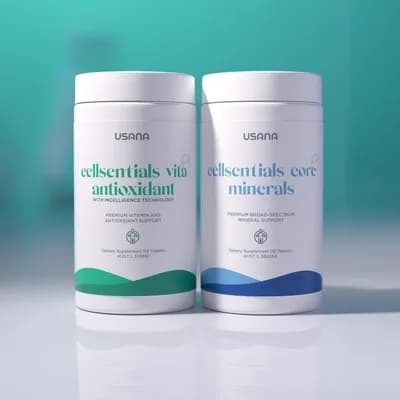
| Examples | CellSentials | Whey Protein Isolate |
| How to start | Use Nutritionals hub as baseline | Add through Active Nutrition hub when needed |
| Common mistakes | Skipping consistency | Overcomplicating intake timing |
Who needs micronutrition first?
- People with irregular meals and routines
- Beginners who want a simple health baseline
- Adults focusing on daily consistency before optimization
- Anyone who prefers foundation-first planning
Who needs macronutrition support?
- Active adults increasing training volume
- People who need structured protein intake
- Adults managing energy around work and activity
- Those using practical meal support in busy schedules
How to start (3 steps)
Step 1 — Build a micronutrition foundation
Step 2 — Add macronutrition support based on activity
Step 3 — Keep it consistent for 4–8 weeks and adjust gently
Practical examples
-
Scenario A: Beginner with low activity
Start simple with foundation habits and keep meal patterns stable. Review routine consistency before adding extra layers. -
Scenario B: Active adult increasing exercise
Keep the same foundation, then add protein-focused support around activity windows. Track comfort, adherence, and recovery trends.
Considerations
- Consistency is more useful than perfection
- Nutrition needs vary by routine and activity
- Food-first mindset can be supported by supplementation
- Avoid extreme or overly complex plans
- This content is educational and not medical advice
FAQ
What is micronutrition?
Micronutrition focuses on vitamins, minerals, and other small-quantity nutrients that support daily health foundations.
What is macronutrition?
Macronutrition focuses on protein, carbohydrates, and fats used for daily energy, activity support, and recovery.
Which should beginners focus on first?
Most beginners start with a micronutrition foundation, then add macronutrition support based on activity level.
Can I do both?
Yes. Many practical routines combine a micronutrition baseline with macronutrition support.