New to this topic? → Read the definition
Intro
Protein support works best when it solves a real routine problem.
For some people, that means having a simple post-workout plan. For others, it means having a practical option on busy days when meals become inconsistent. This guide focuses on how protein support fits into a daily routine rather than turning it into a complicated stack.
If you are still deciding between a protein-focused product and a meal replacement format, review whey protein isolate vs meal replacement first.
When protein support usually helps
- You want a repeatable post-activity routine
- You need more structure on busy days
- You want a simpler way to support daily protein intake
- You prefer one consistent use case instead of changing products often
What protein support is not
- It is not a replacement for an overall food-first routine
- It is not automatically the right choice for every meal
- It is not a shortcut to unrealistic body-transformation claims
- It works better as part of a stable daily pattern
A simple way to think about your options
Option 1: Protein-focused support
Use this route when your main question is protein intake, workout timing, or keeping one part of the day more consistent.
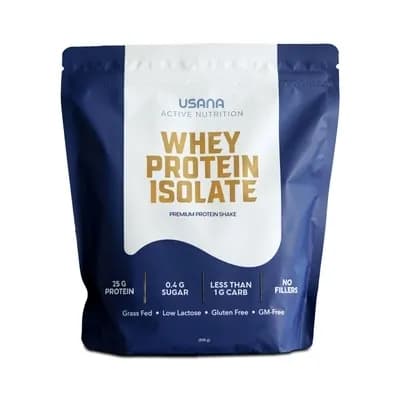
Whey Protein Isolate fits this kind of protein-first decision path.
Option 2: Structured meal support
Use this route when your main question is not just protein, but also convenience, meal planning, and replacing one meal in a more structured way.
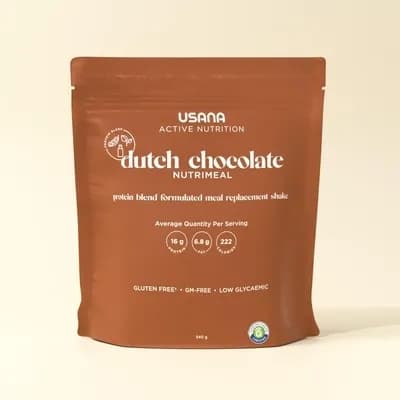
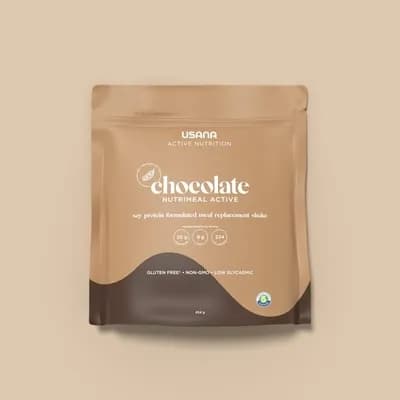
Nutrimeal Protein Shake and Nutrimeal Active fit this more structured meal-support path.
Three practical routine examples
1. Post-workout support
If you already eat regular meals and mainly want a simpler protein step around activity, a protein-focused option is often the cleaner choice.
2. Busy workday backup
If your main problem is missing or delaying meals, a meal-replacement format may fit better than a protein-only product.
3. Daily baseline with fewer decisions
If you want fewer nutrition decisions during the week, keep your micronutrition foundation stable, then choose one active-nutrition use case and repeat it consistently.
How to keep the routine simple
Step 1 — Choose one daily use case
Step 2 — Pick either protein-focused support or meal structure support
Step 3 — Keep the rest of your meals steady
Step 4 — Review adherence after a few weeks before changing format
Where this fits in the Active Nutrition cluster
Use this reading path if you want the broader cluster in order:
- Active Nutrition hub
- Active Nutrition definition
- Active Nutrition guide for beginners
- Whey protein isolate vs meal replacement
Practical next step
Choose Whey Protein Isolate when protein support is the main goal. Choose Nutrimeal Protein Shake or Nutrimeal Active when meal structure and convenience are the bigger problem.
Considerations
- Keep the decision tied to one real daily use case
- Whole-food meals still matter for long-term balance
- Consistency is usually more useful than adding more products
- This content is educational and not medical advice
FAQ
When does protein support make sense in a daily routine?
Protein support usually makes sense when a person wants a more repeatable routine around meals, activity, or post-workout recovery support.
Is whey protein isolate the same as a meal replacement?
No. Whey protein isolate is usually chosen for protein-focused support, while a meal replacement is usually chosen for more structured meal planning.
Do I need a protein shake every day?
Not necessarily. Many people use protein support only when it helps routine consistency, food timing, or convenience.
How do I keep active nutrition simple?
Start with one use case, keep the rest of your meals steady, and review consistency before adding more products.