New to this topic? → Read the definition
Intro
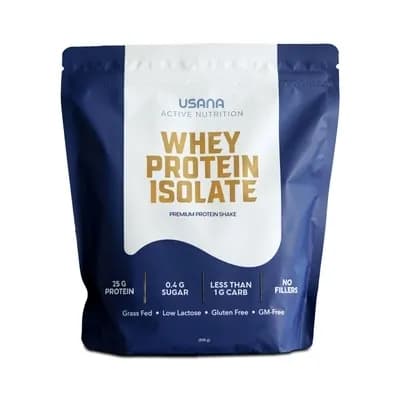
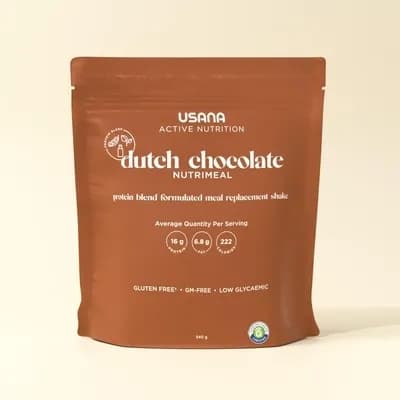
Whey protein isolate refers to a highly purified protein source used to support protein intake and recovery. A meal replacement shake refers to a balanced option designed to replace a meal with controlled calories and nutrients.
This beginner decision guide explains who this is for, who it may not suit, and how to start simply. You can watch the English video walkthrough here: USANA Whey Protein Isolate video.
Who this is for
- Active adults
- People building post-workout routines
- People needing convenient protein support
- Adults who want simple daily protein structure
Who this may NOT be for
- People expecting full meal replacement from protein isolate alone
- Users preferring food-only protein intake
- People seeking rapid body transformation claims
- People not ready to maintain routine consistency
How beginners can start (3 steps)
Step 1 — Start with one simple daily use case
Step 2 — Use after activity or as protein support
Step 3 — Combine with balanced nutrition habits
Practical expectations
- Consistency matters more than complexity
- Protein needs vary by activity level
- Food-first mindset still applies
- This content is educational and not medical advice
Quick Comparison
| Dimension | Whey Protein Isolate | Meal Replacement |
|---|---|---|
| Primary goal | Protein-focused support | Structured meal planning support |
| What it provides | High-purity protein | Balanced calories + macro profile |
| Best timing | Often around activity windows | Often used when replacing one meal |
| Best for beginners | People prioritizing protein intake | People prioritizing routine meal structure |
| Common mistakes | Using without a clear daily plan | Replacing too many meals too fast |
Who should choose whey protein isolate?
- Active adults increasing training volume
- People building a post-workout routine
- People needing practical protein support
- Adults who prefer simple protein-focused intake
Who should choose a meal replacement?
- People with busy schedules
- People with portion control goals
- People needing simple meal planning
- Adults who want consistent daily structure
How to start (3 steps)
Step 1 — Decide your primary goal (recovery vs meal planning)
Step 2 — Start with one daily use case (post-workout OR one replaced meal)
Step 3 — Combine with micronutrition foundation for a balanced routine
Use Whey Protein Isolate for protein-focused support, or use Nutrimeal Protein Shake when a meal-replacement format is your main priority.
Practical examples
-
Scenario A: Post-workout support routine
Choose a consistent post-workout time and keep your protein intake simple. Review adherence over a few weeks before changing format. -
Scenario B: Busy day meal planning
Replace one planned meal when needed and keep the rest of meals food-first. Avoid stacking too many changes at once.
For category context, compare your use case in Active Nutrition hub, keep your baseline stable via Nutritionals hub, and review Active Nutrition guide for beginners.
If you already understand the comparison and mainly want a cleaner day-to-day setup, read protein and daily routine support.
Considerations
- Needs vary by activity level and daily routine
- Whole foods still matter for long-term balance
- Consistency is usually better than frequent switching
- This content is educational and not medical advice
FAQ
What is whey protein isolate and who is it suitable for?
Whey protein isolate refers to a highly purified protein source commonly used to support protein intake and recovery.
What is a meal replacement shake?
A meal replacement shake refers to a balanced option designed to replace a meal with controlled calories and nutrients.
Which is better after a workout?
For many active routines, whey protein isolate is often used post-workout for targeted protein support.
Which is better for weight-related goals?
It depends on the use case. Meal replacements are often used for structured meal planning, while whey isolate is used for protein-focused support.