Introduction
"Third-party tested" is printed on more and more supplement labels. Sometimes it means a lot. Sometimes it means almost nothing.
If you train hard, compete in a tested sport, or simply want to know that what is on the label is what is in the bottle, the difference matters. This guide explains:
- what independent testing actually checks,
- how the main certification programs differ,
- a 4-step way to check any supplement yourself,
- and what a certification can — and cannot — promise.
What "Third-Party Tested" Should Mean
A supplement brand can test its own products, and good brands do. "Third-party" means an independent organisation — not the brand, and not the factory — has checked the product against a published standard.
A credible program usually looks at four things:
- Label claims — does each tablet or capsule actually contain what the label says, in the amounts stated?
- Contaminants — heavy metals, pesticides, microbes and other things that should not be there.
- Manufacturing — is the factory audited against Good Manufacturing Practice (GMP)?
- Banned substances — for sport programs only: is the product screened for substances prohibited by sports bodies?
The fourth point is the one that matters to athletes, and it is the one most general "tested" claims do not cover.
The phrase "third-party tested" on its own is not regulated. Look for the name of the program and check that program's public database.
The Main Certification Programs Compared
| Program | Run by | Screens for banned substances in sport? | How often products are tested | Where to check |
|---|---|---|---|---|
| NSF Certified for Sport | NSF | Yes | Ongoing; certified lot numbers are listed | nsfsport.com or the Certified for Sport app |
| Informed Sport | LGC | Yes (285+ substances) | Every batch before release | sport.wetestyoutrust.com |
| Informed Choice | LGC | Yes (same scope as Informed Sport) | At least 12 batches a year, bought at random | choice.wetestyoutrust.com |
| USP Verified | US Pharmacopeia | No — focuses on identity, potency, purity and manufacturing | Periodic | quality-supplements.org |
| NSF/ANSI 173 (contents certified) | NSF | No — this is not the sport program | Periodic | info.nsf.org |
Three things stand out:
- NSF Certified for Sport and "NSF certified" are different. Many brands hold a general NSF contents certification or GMP registration. Only the Certified for Sport mark covers banned-substance screening.
- Informed Sport vs Informed Choice comes down to frequency, not scope. LGC describes the same testing range for both; the difference is whether every batch is tested.
- USP Verified is a quality mark, not an anti-doping mark. It is useful for checking label accuracy, but it is not designed for drug-tested athletes.
NSF Certified for Sport is also the program recognised by USADA, Major League Baseball, the NHL and the Canadian Football League, according to NSF.
How to Check a Supplement in 4 Steps
This takes about two minutes and works for any brand.
1. Find the exact mark on the label
Look for the full program name — "NSF Certified for Sport", "Informed Sport" — not just "NSF" or "tested". A GMP logo on its own is about the factory, not the product.
2. Search the program's database
Go to nsfsport.com (or the free Certified for Sport app) and search by brand or product name. For Informed Sport, use the search on its website. If the product is not in the database, the label claim cannot be confirmed — whatever the marketing says.
3. Check the country of sale
This is the step almost everyone skips. Certification is tied to a specific product sold in a specific market. The same brand name can have different formulas, labels or factories in different countries.
On nsfsport.com, each listing shows a Country of Sale. If the listing says "United States" and you bought your bottle in another country, do not assume your bottle is covered — check whether the mark is printed on your label.
4. Match the lot number
NSF listings show the lot numbers that have been certified. Compare them with the lot number printed on your bottle. Informed Sport lets you search by batch number too.
If your lot is listed, that batch went through the program. If it is not, contact the brand and ask.
What a Certification Cannot Promise
Certification lowers risk. It does not remove it.
USADA's own guidance is clear: an NSF Certified for Sport product significantly reduces, but does not necessarily eliminate, the chance of a positive test — no laboratory can screen for every prohibited substance. USADA also states that athletes use any supplement at their own risk.
Two practical takeaways:
- If you are a tested athlete, keep a record of the product name and lot number you used.
- A certification says nothing about whether you need a product. That is a question about your diet, your training and your health — worth discussing with a sports dietitian or doctor.
Example: How USANA Products Look in the Database
Checking USANA is a good example of why step 3 matters.
As of 7 November 2026, the NSF Certified for Sport database lists ten USANA products:
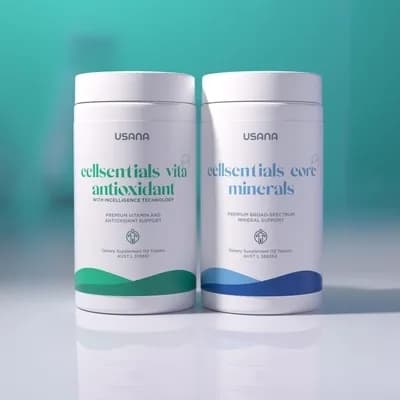
- CellSentials Core Minerals
- CellSentials Vita-Antioxidant
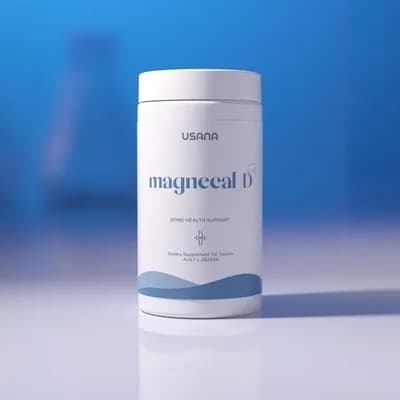
- MagneCal D
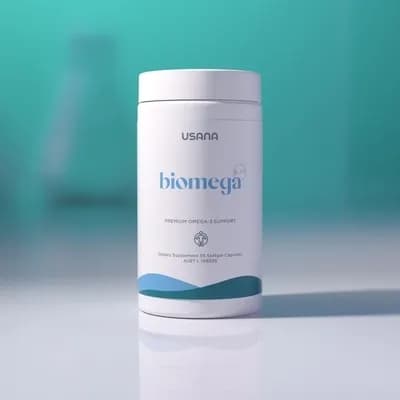
- BiOmega
- Proflavanol C 100
- Procosa
- CopaPrime+
- Prenatal Core Minerals
- Prenatal Vita Antioxidant
- SportsPak
Each listing shows United States as the country of sale, along with the certified lot numbers. USANA sells in 25 markets, and formulas and labels can differ between them — so if you buy outside the US, look for the Certified for Sport mark on your own bottle and compare its lot number with the database. Check nsfsport.com for the current list; it changes over time.
Beyond the sport program, USANA states in its official materials that it manufactures supplements to pharmaceutical-grade standards and tests every batch for purity, identity, composition, strength and safety.
The USANA Athlete Guarantee
USANA also runs an Athlete Guarantee Program for the athletes it sponsors: if a sponsored athlete tests positive for a banned substance that came from a USANA product, USANA pays compensation of up to US$1 million.
Two points to be clear about:
- The guarantee applies to athletes who have signed an agreement with USANA. It is not a promise to everyday customers.
- Eligibility and terms are set by USANA in each athlete's agreement.
Athletes named in USANA materials are Brand Partners or have received free USANA products and/or compensation through their partnerships with the company.
A Quick Checklist
Before you buy a supplement for training:
- Is a named certification printed on the label?
- Is the product in that program's public database?
- Does the country of sale match where you bought it?
- Is your lot number listed?
- Do you actually need it? Ask a sports dietitian if you are unsure.
What to Read Next
- How the USANA fish oil is purified → What Is Inside USANA BiOmega?
- Daily foundation nutrition → How to Take USANA CellSentials
- Company background, manufacturing and athletes → The USANA Difference
- 📄 USANA prices in your country, member vs retail: Price list
Important Notice
This article is general information about supplement certification programs, written by an independent USANA Brand Partner. It is not medical, nutritional or anti-doping advice. Certification details and product listings change; always confirm with the certifying organisation's current database and your own product label. These statements have not been evaluated by the Food and Drug Administration, and USANA products are not intended to diagnose, treat, cure or prevent any disease. Always read the label and use as directed.