TL;DR
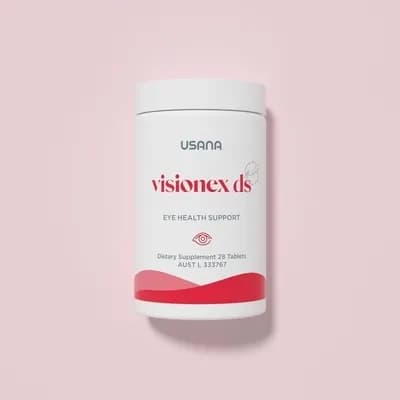
Your eyes contain over 70 percent of all sensory receptors in your body, and they rely on specific nutrients to cope with sunlight, screens and everyday oxidative stress. Two carotenoids, lutein and zeaxanthin, are selectively concentrated in the macula, where they form macular pigment that helps filter high-energy blue light. USANA Visionex DS delivers 10 mg lutein and 2 mg zeaxanthin in one tablet, together with vitamin C, zinc and bilberry extract.
You can watch the English video walkthrough here: USANA Visionex DS: Nourish Your Eyes.
Your Eyes and the Light
Your eyes are the window to the wonders of the world. They can even respond to a single particle of light, and they contain over 70 percent of all sensory receptors in the body.
What you actually see is the light that strikes the retina, a light-sensitive layer of cells at the back of the eye. In the center of the retina is the macula. This creates an interesting dilemma: your eyes need to let light in so you can see, but they also have to minimise how much light comes in to help protect against damage.
The eye — especially the macula — is prone to photo- and oxidative damage from several sources:
- Natural sunlight
- Artificial light from computer screens and mobile phones
- Exposure to environmental pollutants
- Oxidants produced by the eye's own high metabolic rate
To help cope, the eye developed an interesting mechanism: concentrating specific protective nutrients.
The Blood-Brain Barrier and Two Chosen Carotenoids
Your eyes are considered part of the central nervous system, because many parts of the eye actually begin as brain tissue during early embryonic development. That means they are protected by the blood-brain barrier, a highly selective membrane that allows only a few select molecules, nutrients and chemicals to pass. To get nutrients into the eye, you must target compounds known to cross it.
Carotenoids make up a very large family of over 750 naturally occurring plant pigments — the compounds that give fruits and vegetables their red, orange and yellow colours. Out of all of them, the eye has developed the ability to selectively concentrate two: lutein and zeaxanthin.
These two carotenoids are selectively transported across the blood-brain barrier and deposited in the macula. There they form a dense, yellow macular pigment, which helps protect the sensitive light receptors in the macula from high-intensity, shorter wavelengths of light (blue light). Lutein is found mainly at the periphery of the macula, while zeaxanthin is most concentrated at the center.
Why Consistency Matters
Your body cannot make lutein, zeaxanthin, vitamin C, zinc or bilberry, so they must be obtained from the diet or a nutritional supplement. Research has shown that levels of these eye-protecting nutrients correlate with the amount you consume: they increase within a few days and continue to increase as long as they are consumed — and once consumption stops, they decline as rapidly as they increased. Macular pigment density also tends to decline as you age.
Four Kinds of Nutrition in One Tablet
Ophthalmologists recommend a diet rich in fruits and vegetables, and many recommend adding an advanced eye-health supplement. Two tablets of the original Visionex deliver its lutein and zeaxanthin; Visionex DS gives you the same amount in just one tablet.
Lutein and zeaxanthin (10 mg + 2 mg). They serve as antioxidants, helping to neutralise free radicals and reduce oxidative stress, and they help filter out high-energy blue light to support visual acuity. In their capacity as pigments, they help screen out high-energy light, protecting underlying tissues from photo-induced damage; as antioxidants, they help protect the macula from oxidative stress.
Vitamin C (250 mg, from USANA's Poly C mineral ascorbates). Vitamin C is found in virtually every cell in the body, and its concentration is significantly higher in the retina than in the blood. Together with other nutrients, it helps maintain the structure and integrity of the lens.
Zinc (5 mg). This essential trace mineral is found in high concentrations in the eye and plays a critical role in transporting vitamin A to the retina. Zinc deficiency has been linked to poor night vision, and zinc appears to provide antioxidant protection and promote good visual acuity.
Bilberry extract (25 mg, equivalent to 2.5 g of fresh fruit). The bilberry fruit is rich in antioxidants called anthocyanosides and has been shown to help maintain healthy capillaries, including those in the eye — important because capillaries deliver nutrients to eye tissue, and vision churns through a lot of energy. The specific mechanisms are not completely understood, but these anthocyanosides are thought to help improve oxygenation and blood delivery to the eye, and to have an affinity for the retinal pigment epithelium, which delivers nutrients to the eye's photoreceptor cells.
Together, it is an advanced formula to promote healthy eyes and acute vision.
Each tablet (Australian label):
- Lutein 10 mg
- Zeaxanthin 2 mg
- Vitamin C 250 mg (from calcium ascorbate 156 mg, potassium ascorbate 106 mg, magnesium ascorbate 47 mg, zinc ascorbate 3.1 mg)
- Zinc citrate dihydrate 15.6 mg (equivalent to 5 mg zinc)
- Vaccinium myrtillus (bilberry) extract 25 mg (equivalent to 2.5 g fresh fruit)
The Science Behind the Formula
The formula of Visionex is no accident — it's based on solid science, including AREDS (the Age-Related Eye Disease Study), sponsored by the National Eye Institute. The results of the first AREDS confirmed the link between nutrition and eye health. The study began recruitment in 1992 and involved 3,640 subjects aged 55 to 80; compared to placebo, supplementation with the AREDS formula had a measurable impact on supporting healthy eye aging, including support for visual acuity.
Other research points the same way. In the 12-month, placebo-controlled Lutein Antioxidant Supplement Trial (LAST), lutein supplements increased pigment density in the retina and supported visual acuity and glare recovery.
In a 2005 study, 40 young, healthy subjects (average age 23.9) took 10 mg of lutein and 2 mg of zeaxanthin daily for six months — the same amount found in one Visionex DS tablet. Their eyes were tested for the effects of glare as experienced in everyday situations: bright days outdoors, long computer sessions and oncoming headlights at night. After six months, macular pigment optical density increased compared with the start of the study, and researchers concluded that four to six months of lutein and zeaxanthin supplementation supports visual performance in high-glare situations. Study results apply to the conditions tested; individual results vary.
Supplementation with lutein and zeaxanthin can help:
- Sustain tolerance to and recovery from exposure to bright light
- Support visual acuity in low-light or hazy conditions
- Maintain healthy vision by making edges appear clearer
Beyond the Eyes: Brain and Skin
Because lutein and zeaxanthin can cross the blood-brain barrier, their benefits extend beyond your eyes to supporting healthy brain function. Research has shown that high levels of circulating lutein and zeaxanthin support many brain functions, including learning, memory, verbal fluency, reaction time, balance and processing speed.
Lutein and zeaxanthin also support your skin's healthy appearance by increasing surface lipids and enhancing natural antioxidant activity, and the vitamin C in Visionex supports the synthesis of collagen. When paired with a broad-spectrum sunscreen applied to the skin, Visionex can help maintain your healthy glow from the inside.
How to Take It
The Australian label directions are simple: adults take one tablet daily, preferably with a meal. The CellSentials can provide a nutritional foundation for your overall health, including your eyes.
Along with Visionex DS, keep up eye-protective habits: eat a healthy diet, wear sunglasses to avoid direct exposure to the sun, and take regular breaks from computer and smartphone screens.
Important Notes
- Contains soya bean products.
- Vitamin supplements should not replace a balanced diet.
- Consult your physician if you are pregnant, nursing, taking a prescription medication, have a medical condition, or symptoms persist.
- Formulas and availability differ by region — always read your local label.
Watch the Video
Related Reading
- USANA Visionex DS product page
- USANA Poly C Benefits
- Antioxidant Supplements Explained
- How to Take USANA CellSentials
This article covers the Australian formula. It is educational only and does not provide medical advice. Always read the label. Follow the directions for use. If symptoms persist, talk to your health professional.